The Importance of Quality Assurance in an Aluminum Foundry for Superior Products
Quality assurance in an aluminum foundry serves as an important part in making sure item quality. It includes a variety of methods focused on maintaining criteria throughout the manufacturing process. By carrying out rigorous checks and advanced innovations, foundries can effectively reduce issues and improve product dependability. The ramifications of these measures expand beyond production. Understanding their influence on consumer contentment and brand track record discloses a much more complicated narrative worth checking out.

Comprehending Quality Control in Aluminum Foundries
Quality assurance in aluminum foundries is important for guaranteeing the manufacturing of high-quality castings that fulfill industry criteria. It incorporates an organized technique to monitoring and examining the whole manufacturing process, from resources option to final product assessment. This procedure often consists of carrying out standard procedures and utilizing sophisticated technologies, such as spectrometers and digital assessment devices, to examine material buildings and spot defects.
Quality control employees play an essential function in developing specs and carrying out normal audits to assure conformity with safety and security and efficiency regulations. They are in charge of determining any type of inconsistencies from established criteria and carrying out corrective actions to alleviate threats. Training employees on high quality assurance techniques fosters a society of accountability and accuracy within the foundry. Eventually, a durable high quality control framework not only boosts the reliability of aluminum spreadings however also advertises client satisfaction and sustains the foundry's credibility within the market.
The Duty of Quality Control in Product Sturdiness
Reliable top quality control procedures directly influence the durability of aluminum castings. By applying rigorous checks at numerous stages of production, foundries can identify and rectify issues early in the manufacturing process. This proactive technique reduces the risk of weaknesses that can bring about product failing in the final application.
Quality control steps likewise consist of monitoring the make-up of the aluminum alloys and ensuring adherence to developed specifications. Variants in worldly high quality can significantly impact the mechanical residential properties and long life of the spreadings. Normal testing of casting techniques, such as cooling prices and mold integrity, additional assurances that the end products satisfy durability standards.
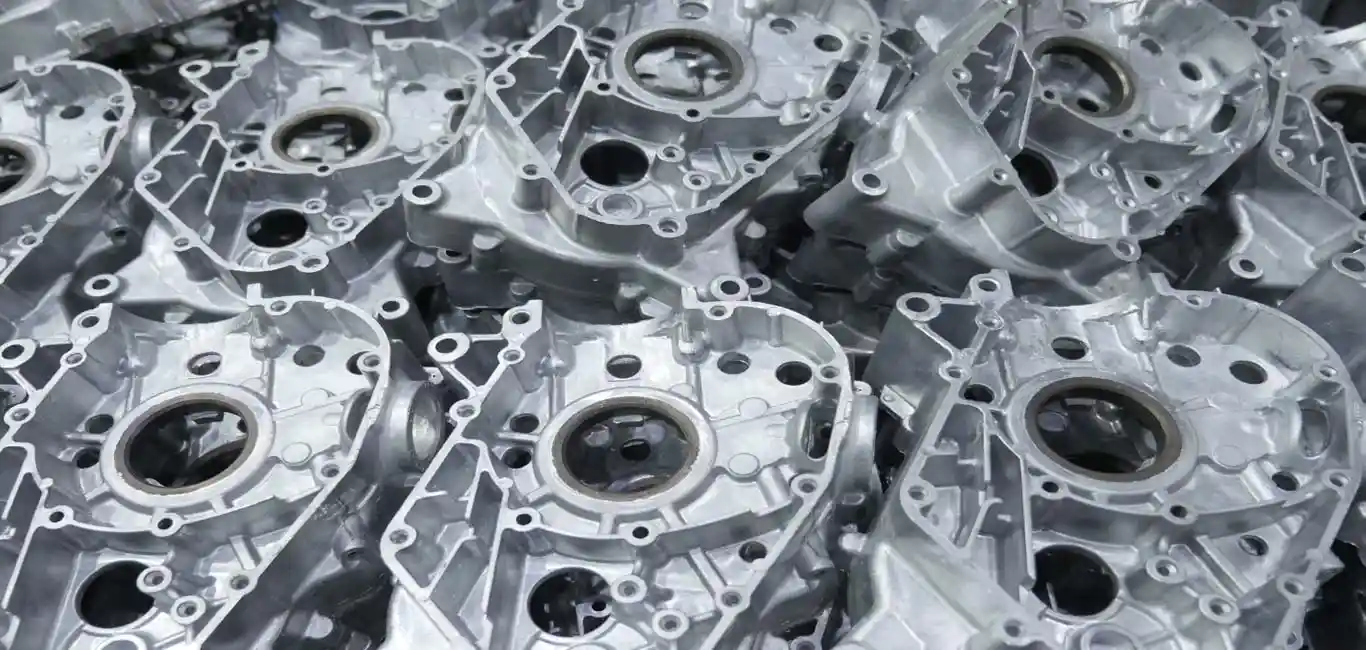
Key Top Quality Control Procedures in Aluminum Casting
In aluminum casting, reliable quality assurance procedures are important to assure product integrity. Secret parts consist of extensive material assessment protocols and continuous procedure surveillance strategies. These actions aid recognize possible issues early, eventually enhancing the top quality of the end product.
Material Evaluation Protocols
A robust material evaluation method is essential for ensuring the honesty of aluminum spreadings. This procedure commonly consists of a collection of organized checks that assess basic materials before they go into the manufacturing procedure. Key steps consist of validating the chemical make-up of aluminum alloys through spectroscopic evaluation, ensuring conformity with market requirements. Visual inspections are also performed to detect surface flaws or contaminations. Additionally, metallurgical screening, such as tensile stamina assessments and microstructure exams, assures the product will certainly perform as anticipated under functional conditions. By sticking to rigid material inspection methods, foundries can lessen defects, enhance product reliability, and eventually boost client complete satisfaction. This fundamental step is crucial for achieving high-grade aluminum castings that meet specific efficiency needs.
Process Keeping An Eye On Techniques
Carrying out process monitoring techniques is essential for preserving quality assurance in aluminum casting procedures. These methods include methodical monitoring and dimension of various parameters throughout the spreading process. Trick methods include temperature level surveillance, which assures the liquified metal goes to optimal warmth for pouring, and stress surveillance during mold loading to stop flaws. In addition, real-time data evaluation enables instant adjustments, minimizing the possibility of errors. Visual examinations at critical points further boost quality control by identifying prospective imperfections prior to they impact the end product. The integration of automated systems for constant monitoring can improve operations, enhance uniformity, and eventually cause exceptional aluminum castings that fulfill rigid market criteria. Such approaches are essential for achieving ideal performance and consumer complete satisfaction.
The Influence of Quality Assurance on Consumer Satisfaction
Quality control plays a vital role in boosting product integrity, which straight affects client contentment. By preserving constant performance requirements and decreasing issue rates, foundries can foster depend on and commitment amongst their clients. This commitment to top quality not just meets consumer expectations however can likewise lead to duplicate organization and positive recommendations.
Boosted Product Dependability
Challenges in aluminum foundries can emerge from variations in processes and materials, rigid high quality control actions substantially boost item reliability. By carrying out extensive assessment procedures and standardized screening, foundries can assure that each aluminum product fulfills particular performance standards. This positive technique minimizes incongruities and defects, which straight affects the sturdiness and functionality of the final products. Dependable products not just satisfy client expectations but additionally foster trust in the brand name, resulting in repeat business and positive word-of-mouth recommendations. Furthermore, enhanced dependability decreases the likelihood of returns or remembers, eventually conserving prices and boosting general functional performance. In this affordable market, keeping high item dependability with quality assurance is important for maintaining consumer complete satisfaction and loyalty.
Consistent Performance Standards
When aluminum foundries follow constant efficiency requirements, they substantially improve consumer complete satisfaction. By establishing clear standards for top quality, these foundries ensure that products fulfill client assumptions each time. Uniformity in performance not only builds count on yet also fosters long-lasting partnerships with clients. Consumers rely on foundries to deliver products that match specified needs, and any inconsistency can bring about frustration. Constant requirements also allow foundries to simplify their procedures, reducing the moment spent on rework and changes, which benefits both the customer and the manufacturer. In addition, the predictability in high quality enables consumers to intend their jobs extra effectively, knowing that they will get reliable products on time. To sum up, preserving consistent performance criteria is crucial for achieving high levels of customer fulfillment.
Lowered Issue Prices
Executing stringent quality assurance procedures significantly reduces problem prices in aluminum foundries, directly boosting customer satisfaction. By methodically keeping track of production procedures and carrying out complete evaluations, foundries can recognize and remedy concerns prior to items get to customers. This aggressive approach lessens the event of flaws, causing fewer item returns and problems. As flaw rates decline, customers experience better dependability and uniformity in the products they obtain. This not just promotes count on the brand yet likewise encourages repeat service and favorable word-of-mouth referrals. On top of that, completely satisfied clients are more probable to suggest the foundry to others, inevitably leading to raised market share and earnings. Reliable top quality control offers as a keystone for attaining excellence in customer relations and general organization success.
Cost Ramifications of Poor Top Quality Control
Poor top quality control in an aluminum foundry can bring about substantial economic consequences, as defects in items often necessitate pricey rework or scrapping. This not only boosts production costs but likewise delays distribution timelines, damaging client connections and possibly leading to shed future agreements. In addition, the resources expended on faulty products, consisting of labor and materials, cause lessened total efficiency and profitability for the foundry.
Additionally, poor top quality can taint the foundry's reputation, leading to decreased market competition and a decline in customer depend on. The monetary implications extend past immediate losses, as a broken online reputation may prevent new business chances. In markets where aluminum elements are crucial, such as aerospace and auto, the risks are also higher, Aluminum Casting with regulatory conformity and security considerations enhancing the costs related to low quality control. Inevitably, the long-lasting sustainability of the foundry is at danger without a robust high quality administration system in position.
Situation Studies: Success Stories of Top Quality Control Implementation
Effective quality assurance application in aluminum foundries has resulted in impressive improvements in operational efficiency and client satisfaction. One excellent case involved a mid-sized foundry that embraced rigorous quality assurance protocols, consisting of real-time surveillance of melt temperature levels and product structures. As an outcome, flaw rates stopped by 30%, significantly minimizing rework expenses and boosting product dependability.
An additional success story is a huge foundry that incorporated automatic inspection systems within its assembly line. This investment enabled prompt recognition of non-conformities, lowering production delays and enhancing throughput by 20% - aluminum metal casting. Customer responses enhanced also, with fulfillment scores climbing due to a marked decline in product failings
In both instances, the commitment to quality control not only enhanced procedures however likewise solidified the foundries' online reputation on the market, showing how critical high quality initiatives can foster long-term success and competitive benefit in the aluminum market.
Future Patterns in Quality Assurance for Aluminum Foundries
As the aluminum foundry sector evolves, the assimilation of innovative innovations is positioned to redefine quality assurance practices. Automation and expert system will certainly play important functions in boosting accuracy and efficiency. Real-time tracking systems, making use of IoT sensors, are expected to offer continual data on production procedures, allowing instant modifications and decreasing issues.
In addition, equipment learning algorithms will certainly analyze historical information to anticipate prospective top quality problems prior to they arise, assisting in proactive measures. The fostering of electronic doubles-- online replicas of physical procedures-- will certainly permit foundries to imitate different situations, optimizing top quality outcomes without interrupting real production.

Often Asked Questions
Exactly How Does Temperature Level Affect Aluminum Casting Top Quality?
Temperature significantly affects aluminum casting high quality; incorrect temperatures can cause problems such as porosity and additions. Maintaining excellent casting temperature levels assures much better fluidity, constant solidification, and inevitably boosts the stability and efficiency of the last product.
What Certifications Are Essential for Aluminum Foundries?
Vital qualifications for aluminum foundries consist of ISO 9001 for top quality monitoring, ISO 14001 for environmental administration, and AS9100 for aerospace criteria. These qualifications ensure compliance, improve item integrity, and demonstrate dedication to high quality and sustainability.
How Typically Should Quality Assurance Audits Be Performed?
Quality assurance audits must be conducted regularly, ideally quarterly, to guarantee constant item criteria (aluminum foundry). Nonetheless, the regularity might differ based on production volume, previous audit outcomes, and certain sector guidelines or consumer demands
Can Environmental Elements Impact Casting High Quality?
Yes, ecological factors can substantially affect casting top quality. Variables such as temperature level, air, and humidity composition influence metal homes and mold and mildew behavior, potentially bring about issues and disparities in the last aluminum products created.
What Role Does Worker Training Play in Quality Assurance?
Employee training is essential for quality control, as it gears up workers with crucial abilities and expertise. Well-trained staff members can determine flaws, adhere to procedures, and contribute to regular production requirements, inevitably enhancing overall product top quality.
Quality control in an aluminum foundry offers as a critical part in making certain product quality. In aluminum spreading, efficient top quality control procedures are crucial to ensure item stability. Quality control plays a vital function in enhancing item integrity, which directly influences consumer contentment. Challenges in aluminum foundries can emerge from variations in materials and processes, stringent quality control steps considerably improve product reliability. Poor top quality control in an aluminum foundry can lead to significant monetary consequences, as flaws in items typically necessitate pricey rework or scrapping.