All About Aluminum Casting: Exploring Its Advantages and Applications in Modern Production
aluminum casting plays a vital role in modern production. It offers a series of benefits, such as light-weight properties and excellent corrosion resistance. Industries from aerospace to customer electronics depend on aluminum casting for its convenience. As automation and sustainability gain grip, the procedure is evolving. Comprehending the details of aluminum casting reveals its value and potential. What innovations and patterns are shaping its future?
The Aluminum Casting Process: An Overview
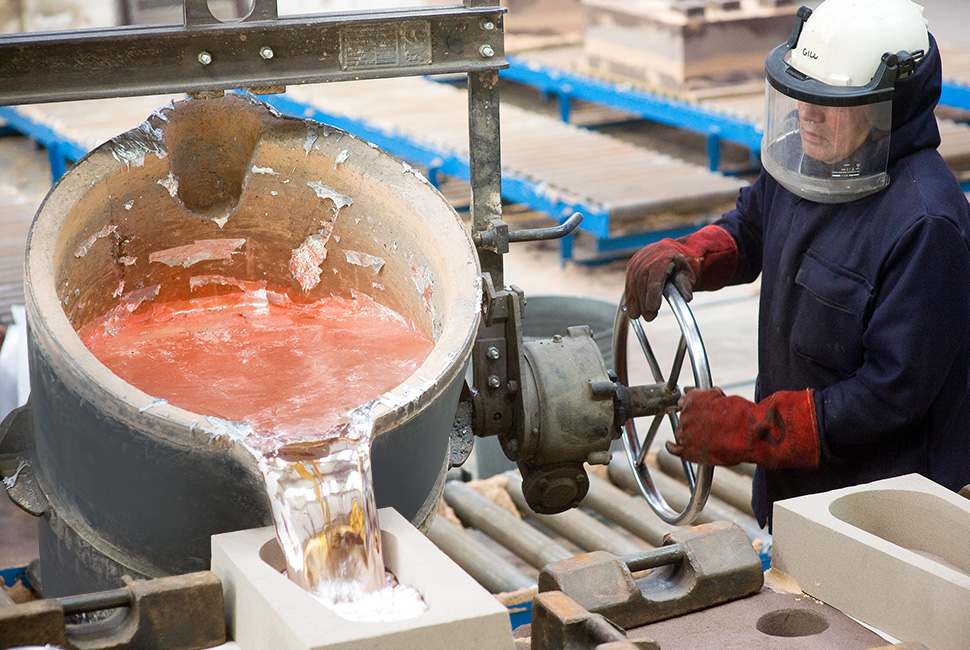
The aluminum casting process transforms raw aluminum right into accurate parts through a series of systematic steps. Initially, aluminum is thawed in a heater, getting to temperature levels between 660 ° C and 750 ° C. When molten, the fluid aluminum is put right into molds designed to shape the final product. Three usual casting approaches are sand casting, die casting, and investment casting, each offering unique benefits tailored to specific applications.
After the aluminum solidifies and cools, the molds are eliminated, disclosing the actors part. Consequently, any kind of excess product, referred to as flash, is cut away. Secondary procedures, such as machining or surface area completing, may be done to attain desired dimensions and surface top quality - Aluminum Casting Company. Quality assurance evaluations verify that the parts fulfill exact specifications. This intricate process enables makers to create light-weight, complex forms that serve varied markets, from automobile to aerospace
Advantages of Aluminum Casting
While different metal casting procedures exist, aluminum casting stands apart because of its various advantages. One substantial benefit is its lightweight nature, which adds to reduced power usage in transportation and manufacturing. Furthermore, aluminum displays excellent rust resistance, making sure long life and sturdiness in numerous settings. The thermal and electrical conductivity of aluminum likewise makes it an excellent choice for applications calling for effective heat dissipation and electric conductivity.
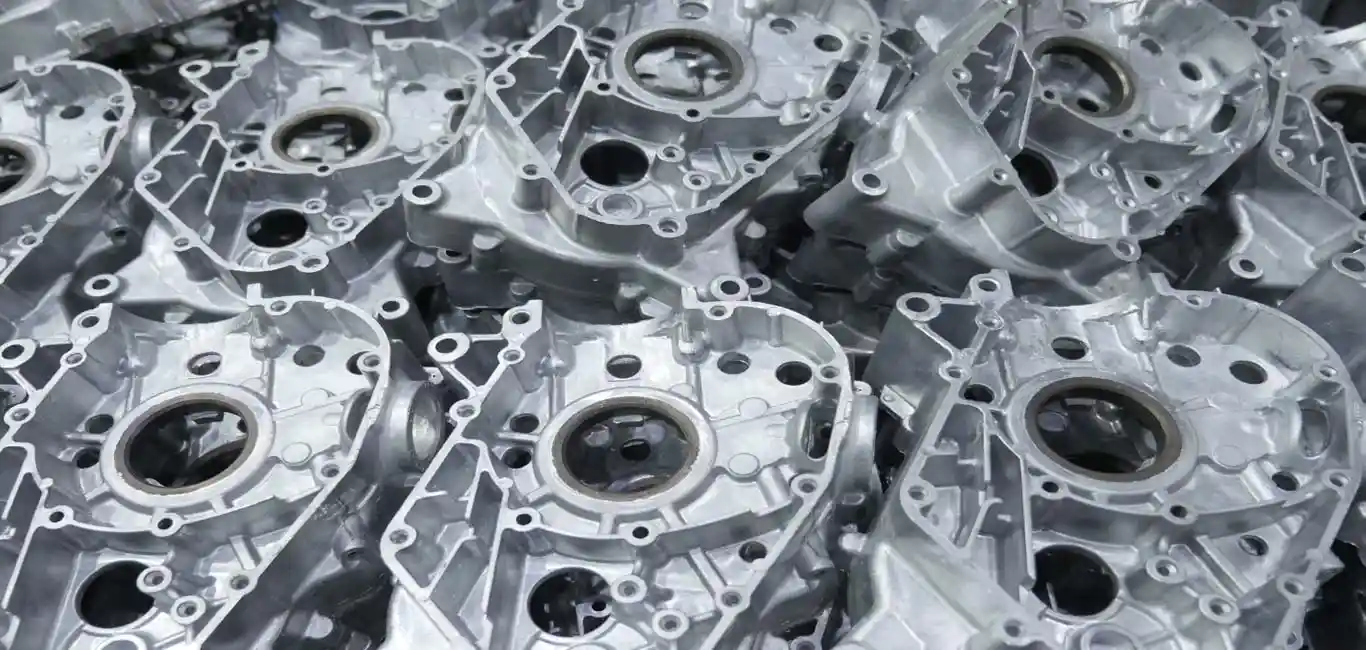
In enhancement, aluminum casting enables intricate layouts and complex geometries, enabling manufacturers to create detailed components with accuracy. The procedure usually results in a smooth surface coating, decreasing the need for considerable post-processing. aluminum is very recyclable, promoting sustainability in making techniques. Its capability to be cast in numerous types, such as sand, pass away, or financial investment casting, offers flexibility in production techniques. In general, these benefits make aluminum casting a favored option in modern-day production throughout multiple fields.
Applications of Aluminum Casting in Various Industries
aluminum casting plays a necessary role in a number of crucial sectors, including aerospace, automobile, and customer electronics. Its lightweight and long lasting residential properties make it an optimal selection for manufacturing elements such as airplane parts, vehicle real estates, and digital units. As industries remain to prioritize performance and efficiency, the applications of aluminum casting are likely to increase further.
Aerospace Element Production
As the aerospace sector increasingly requires lightweight yet sturdy materials, aluminum casting has actually become a pivotal solution for manufacturing vital components. The process permits the production of complex geometries that are crucial in aircraft style, such as engine mounts, structural frames, and various installations. aluminum's excellent strength-to-weight proportion adds to fuel effectiveness and general performance, making it a preferred option for aerospace applications. In addition, aluminum spreadings provide exceptional corrosion resistance, an essential consider the extreme environments experienced throughout trip. The precision of aluminum casting techniques enables manufacturers to generate parts that satisfy stringent aerospace standards, guaranteeing reliability and safety and security. This versatility and performance make aluminum casting a vital asset in the evolving landscape of aerospace component production.
Automotive Parts Manufacturing
Transforming the automobile industry, aluminum casting plays a necessary function in the manufacturing of light-weight yet durable elements. This process enables manufacturers to develop detailed designs and shapes that improve automobile performance and performance - aluminum casting. Secret automotive components produced with aluminum casting include engine blocks, transmission housings, and suspension elements. The light-weight nature of aluminum adds to boosted fuel effectiveness and minimized discharges, straightening with contemporary environmental requirements. Additionally, aluminum's exceptional deterioration resistance extends the life expectancy of vehicle parts, additionally improving dependability. The adaptability of aluminum casting enables automobile designers to innovate, integrating sophisticated modern technologies and enhancing designs. As electric cars gain grip, the need for aluminum components is expected to climb, solidifying its importance in future vehicle production
Consumer Electronic Devices Housing

Contrast With Other Casting Materials
When assessing casting products, aluminum stands apart because of its special mix of homes that usually exceed those of alternatives like steel, iron, and plastic. Its light-weight nature is a substantial benefit, making it suitable for applications where lowered weight is crucial, such as in auto and aerospace markets. In steel, iron and comparison, while supplying exceptional stamina, are significantly larger, which can impede performance and rise fuel intake.
Developments in Aluminum Casting Innovation
As improvements in modern technology proceed to improve manufacturing procedures, innovations in aluminum casting are arising to improve efficiency, sustainability, and accuracy. One significant growth have a peek here is the adoption of innovative simulation software program, which allows suppliers to anticipate casting outcomes and enhance styles prior to production begins. This lowers product waste and guarantees better components.
Additionally, the execution of automated systems in the casting procedure has actually significantly enhanced production speed and consistency. Robot arms and automated putting systems reduce human mistake and enhance security in the work environment.
3D printing technology is also making waves in aluminum casting by enabling the quick prototyping of mold and mildews, permitting more detailed layouts and faster turnaround times.
Furthermore, the exploration of green alloys and reusing strategies contributes to reducing the ecological effect of aluminum casting operations. Collectively, these innovations are solidifying aluminum casting's function in modern production.
Future Fads in Aluminum Casting
The future of aluminum casting is increasingly formed by advanced automation modern technologies that enhance manufacturing effectiveness and precision. In addition, sustainable production techniques are obtaining grip, as markets seek to reduce their ecological effect while maintaining top quality. These patterns signify a shift towards even more ingenious and liable approaches in the aluminum casting industry.
Advanced Automation Technologies
Although the aluminum casting industry has long depended on conventional approaches, advanced automation modern technologies are positioned to transform production processes. Robotics and artificial intelligence are significantly being integrated right into casting operations, enhancing accuracy and efficiency. Automated systems enhance product handling, mold and mildew preparation, and quality inspection, reducing human error and cycle times. Additionally, anticipating upkeep powered by IoT modern technology makes it possible Get More Information for makers to anticipate tools failings, minimizing downtime. These technologies also promote real-time information evaluation, permitting for prompt modifications to enhance production. As industries demand higher-quality products at faster prices, the adoption of advanced automation technologies in aluminum casting is expected to grow, driving competition and innovation in the market. This pattern notes a substantial change in the direction of smarter, more reliable manufacturing practices.
Sustainable Manufacturing Practices
Advanced automation technologies not just improve performance but likewise lead the way for lasting production methods in the aluminum casting sector. These advancements facilitate the decrease of waste and power usage by maximizing processes and decreasing flaws. Closed-loop recycling systems have emerged, enabling makers to recycle scrap aluminum, thus reducing the demand for virgin products and decreasing carbon impacts. In addition, improvements in additive manufacturing allow for even more accurate styles, lowering excess material use. Additionally, the assimilation of sustainable energy resources in production facilities sustains eco-friendly operations. As industry requirements develop, companies taking on lasting methods not just improve their environmental impact yet also gain an one-upmanship in the marketplace, lining up with customer needs for greener items.
Regularly Asked Concerns
Exactly How Is Aluminum Casting Environmentally Pleasant Contrasted to Various Other Procedures?
aluminum casting is eco-friendly because of its recyclability, reduced power usage, visit this site right here and decreased emissions compared to various other procedures. It reduces waste and uses recycled materials, adding to a lasting manufacturing method while protecting all-natural resources.
What Security Safety Measures Are Necessary Throughout Aluminum Casting?
Can Aluminum Casting Be Recycled After Use?
Yes, aluminum casting can be recycled after use. The recycling process involves thawing down the aluminum and removing pollutants, permitting it to be repurposed for new spreadings, making it an environmentally pleasant option in manufacturing.
Just How Does Aluminum Casting Impact Production Expenses?
aluminum casting can considerably affect manufacturing expenses by reducing product waste and simplifying manufacturing processes. Its light-weight nature also lowers transport expenses, ultimately improving expense performance in various sectors reliant on durable, top quality elements.
What Kinds of Finishes Are Readily Available for Aluminum Cast Products?
aluminum cast products can be completed utilizing numerous methods, including anodizing, powder layer, painting, and sprucing up. Each finish boosts look, deterioration resistance, and sturdiness, allowing customization to satisfy details aesthetic and functional demands.
The aluminum casting procedure transforms raw aluminum right into accurate components with a collection of methodical steps. While various metal casting procedures exist, aluminum casting stands out due to its various advantages. While the auto market advantages significantly from aluminum casting, customer electronics also take advantage of this manufacturing process for housing parts. Advanced automation innovations not only enhance efficiency yet also pave the way for lasting manufacturing methods in the aluminum casting sector. aluminum casting can significantly influence manufacturing costs by reducing material waste and streamlining production processes.